Source water cooled ice bath tub for Home, Outdoor, and Spa Use
Compare 26 water cooled ice bath tub options featuring acrylic shells, ozone sanitization, and digital controls. Buyers can evaluate dimensions, jet types, and delivery times from manufacturers in Guangdong, China, to find the right unit for indoor or outdoor recovery.
Key considerations
Products List


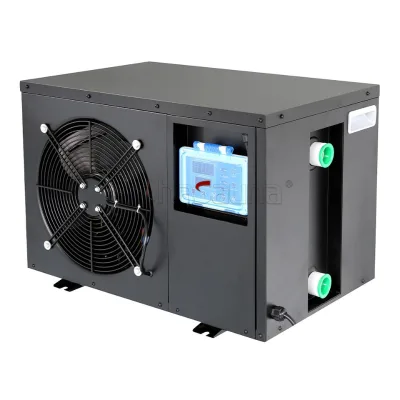


Modern Style Ice Bathtub Acrylic Freestanding Soaking Bathtub Cold Plunge Chiller
$1300.00 - $1350.00
Moq: 1


Comprehensive Sourcing Guide
Strategic Sourcing Guide for Water Cooled Ice Bath Tub Procurement
Understanding the Technical Architecture of Acrylic Ice Tubs
The procurement of a water-cooled ice bath tub requires a precise understanding of the underlying construction materials and functional architecture. Based on the available product data, the industry standard for these units frequently involves an acrylic shell, often sourced from high-grade materials such as USA Lucite. This material choice is critical for ensuring structural integrity and thermal retention, which are paramount for ice bath applications. The observed product specifications indicate a standard dimension of 213 x 106 x 79 cm for larger models, while more compact variants may measure 130 x 92 x 72 cm. These dimensions directly influence the seating capacity, with specific models designed for a single adult user, necessitating careful space planning for both indoor and outdoor installation sites.
The structural design of these units varies between freestanding tubs and those with specific drainage configurations. Buyers must verify whether the drain location is positioned at the center or in the corner, as this dictates the plumbing layout and floor drainage requirements. The installation type is predominantly freestanding, allowing for flexible placement in wellness centers, athletic facilities, or private residences. Furthermore, the internal structure often integrates a stainless steel liner combined with a top solid wood inlay in certain configurations, offering a distinct aesthetic and thermal profile compared to all-acrylic constructions. The shape is typically square, optimizing the footprint while providing adequate room for immersion.
Functional Systems and Control Mechanisms
The operational efficacy of a water-cooled ice bath tub relies heavily on its integrated mechanical and electronic systems. The core functionality often includes a whirlpool or massage SPA feature, utilizing specific jet types such as combination jets or whirlpool jets. The number of jets can vary, with some models featuring a count of five jets to provide targeted hydrotherapy. The method of control is a significant differentiator in the market; products are observed to utilize either hand control systems or advanced computer control interfaces. The electronic control systems themselves are often branded, with suppliers citing Balboa, Gecko, or Saprelax control systems as standard components. These systems manage the circulation, heating, and cooling functions essential for maintaining the precise water temperatures required for ice bath therapy.
Sanitization is another critical functional aspect. Many units are equipped with ozone sanitization systems, which provide a chemical-free method of maintaining water purity. This feature is particularly valuable in high-traffic environments where water quality must be rigorously maintained. The application scope for these units is broad, ranging from indoor tubs to outdoor whirlpools and spas. This versatility allows buyers to source a single product line that can be deployed across different facility zones. However, the distinction between a standard massage tub and a dedicated ice tub is important; delivery times and specific design features, such as the "Acrylic Ice Tub" designation, may vary depending on the intended thermal function.
Compliance, Certification, and Regulatory Standards
Navigating the regulatory landscape is a non-negotiable step in the procurement of water-cooled ice bath tubs. Buyers must verify that suppliers possess valid certifications for the specific markets in which the units will be installed. The observed product data lists a comprehensive array of certifications, including CE, CB, SAA, Kc, ISO9001: 2008, GOST-R, and Cupc. The presence of these marks indicates compliance with safety and quality standards in various regions, such as Europe, Australia, South Korea, and North America. It is imperative for procurement teams to request current certification documents for the specific model being purchased, as these are not universal across all product lines.
The standard for manufacturing quality is often tied to ISO9001 certification, which ensures a consistent quality management system. Additionally, specific product standards regarding dimensions and safety are critical. For instance, a standard product model identified as 1A10 adheres to a specific dimension set of 213 x 106 x 79 cm. Buyers should not assume that all products in a category meet these exact specifications; rather, they must verify the model number and associated technical data sheet for each unit. The absence of a specific certification in a supplier's catalog does not necessarily disqualify them, but it requires a deeper due diligence process to ensure the product meets local building codes and safety regulations.
Cost Drivers and Pricing Variables
The pricing of water-cooled ice bath tubs is influenced by a complex matrix of factors, including material quality, control system sophistication, and customization levels. The observed market price range spans from $14.9 to $2,800 USD, reflecting the vast difference between basic entry-level units and high-end, fully customized systems. Several key drivers contribute to this variance. The use of premium materials, such as USA Lucite for the acrylic shell, typically commands a higher price point compared to standard acrylic. Similarly, the inclusion of advanced electronic control systems like Balboa or Gecko adds to the overall cost.
Customization is another significant cost factor. While some models are available as non-customized, standard units, others offer fully customized options. The ability to tailor dimensions, jet configurations, and control interfaces allows buyers to meet specific facility requirements but inevitably increases the unit price. The Minimum Order Quantity (MOQ) also plays a role in the final cost structure. Data indicates an MOQ range of 1 to 50 units. Purchasing a single unit may result in a higher per-unit cost due to logistics and setup fees, whereas bulk orders of 50 units can leverage economies of scale. Buyers should also consider the packaging costs, as units are often shipped in polyethylene foam, hard cartons, and steel pallets to prevent damage during transit, which adds to the landed cost.
Supplier Evaluation and Lead Time Management
Selecting a reliable supplier is critical for ensuring the timely delivery and long-term support of water-cooled ice bath tubs. The geographic origin of the products is predominantly Guangdong, China, a major manufacturing hub for spa equipment. When evaluating suppliers, buyers should prioritize those with a proven track record in producing both indoor and outdoor tubs. The lead time for delivery is a crucial logistical variable. Observed data suggests a delivery time of 18 working days for standard units, while ice tubs specifically may require 15 working days. However, for massage SPA units, the delivery time can extend to 25 days. These variations highlight the importance of confirming the specific lead time for the exact model and configuration at the time of order.
Supplier reliability is further assessed through their after-sales service commitments. A robust warranty, such as the 5-year warranty observed in the product data, is a strong indicator of supplier confidence in their product quality. The scope of this warranty should be clearly defined, covering components like the acrylic shell and electrical pumps. Buyers should also inquire about the supplier's capacity to handle custom orders and their response time for technical support. The ability to provide detailed product documentation, including installation manuals and maintenance guides, is another key metric for supplier evaluation.
Quality Control and Long-Term Procurement Strategy
Implementing a rigorous quality control (QC) protocol is essential for mitigating risks associated with the procurement of water-cooled ice bath tubs. Given the complexity of the electronic and mechanical systems involved, buyers should request pre-shipment inspection reports that verify the functionality of the jets, control systems, and sanitization units. The packing standards, which include polyethylene foam and hard cartons, should be inspected to ensure the product arrives without structural damage. For custom orders, a factory audit or virtual inspection may be necessary to verify that the customization matches the agreed-upon specifications.
Long-term procurement considerations extend beyond the initial purchase price. Buyers should evaluate the availability of spare parts and the ease of maintenance for the specific control systems used. The use of standardized components from brands like Balboa or Gecko can simplify future repairs. Additionally, the warranty terms should be reviewed to understand the process for claims and the duration of coverage for different components. The application environment, whether indoor or outdoor, will also impact the long-term durability of the unit. Outdoor installations may require additional protective measures against weather elements, which should be factored into the initial procurement strategy.
Comparative Analysis of Product Specifications
To facilitate informed decision-making, the following table summarizes the key technical and logistical attributes observed in the market for water-cooled ice bath tubs. This comparison highlights the variability in specifications that buyers must navigate.
| Attribute | Standard Model (e.g., 1A10) | Compact/Alternative Model (e.g., 1006D) | Custom/High-End Variant |
|---|---|---|---|
| Dimensions | 213 x 106 x 79 cm | 130 x 92 x 72 cm | Variable (Customized) |
| Material | Acrylic (USA Lucite) | Acrylic | Acrylic + Stainless Steel Liner |
| Seating Capacity | 1 Adult | 1 Adult | 1 Adult |
| Control System | Balboa/Gecko/Saprelax | Computer Control | Hand/Computer Control |
| Jet Configuration | 5 Jets (Whirlpool/Combination) | Variable | Customizable |
| Sanitization | Ozone Sanitization | Ozone Sanitization | Ozone Sanitization |
| Installation | Freestanding | Freestanding | Freestanding |
| Drain Location | Corner or Center | Center | Customizable |
| Certifications | CE, ISO9001, CB, SAA, Kc, GOST-R | CE, ISO9001, Cupc | Varies by Market |
| Warranty | 5 Years | 5 Years | 5 Years |
| Lead Time | 18 Working Days | 15 Working Days (Ice Tub) | 25 Days (Massage SPA) |
| MOQ | 1 Unit | 1 Unit | 1-50 Units |
This table underscores the necessity of verifying specific model numbers against the buyer's requirements. While the core technology remains consistent, the variations in dimensions, control systems, and lead times require a tailored approach to procurement. By systematically evaluating these attributes, buyers can ensure they select a water-cooled ice bath tub that aligns with their operational needs, budget constraints, and quality standards.
FAQs
What certifications do water cooled ice bath tubs have?
Products typically hold CE, ISO9001, CB, SAA, Kc, GOST-R, and Cupc certifications. These marks indicate compliance with safety and quality standards in regions like Europe, Australia, and North America, but buyers must verify specific documents for each model.
How long is the delivery time for these tubs?
Delivery times vary by product type, ranging from 15 working days for ice tubs to 25 days for massage SPA units. Standard units often require 18 working days, so confirming the specific lead time for the exact model is essential before ordering.
Can I customize the dimensions and features of the tub?
Customization is available for many models, allowing buyers to tailor dimensions, jet configurations, and control interfaces. While some units are standard, others support fully customized options to meet specific facility requirements, though this may affect the unit price.
What is the seating capacity for a standard unit?
Standard models are designed to seat one adult user comfortably. The dimensions, such as 213 x 106 x 79 cm or 130 x 92 x 72 cm, directly influence the internal space, necessitating careful planning for indoor or outdoor installation sites.
Which control systems are used in these ice tubs?
Units often utilize Balboa, Gecko, or Saprelax electronic control systems for managing circulation and temperature. Some models feature hand control interfaces, while others employ advanced computer control systems to ensure precise operation of the hydrotherapy and sanitization functions.
What material is used for the acrylic shell?
The shell is frequently constructed from high-grade acrylic, often sourced as USA Lucite for structural integrity. Some configurations may also include a stainless steel liner combined with a top solid wood inlay to offer distinct aesthetic and thermal profiles.
What is the minimum order quantity for purchasing?
The minimum order quantity ranges from 1 to 50 units depending on the supplier and product configuration. Purchasing a single unit is possible but may incur higher per-unit costs, whereas bulk orders can leverage economies of scale for better pricing.